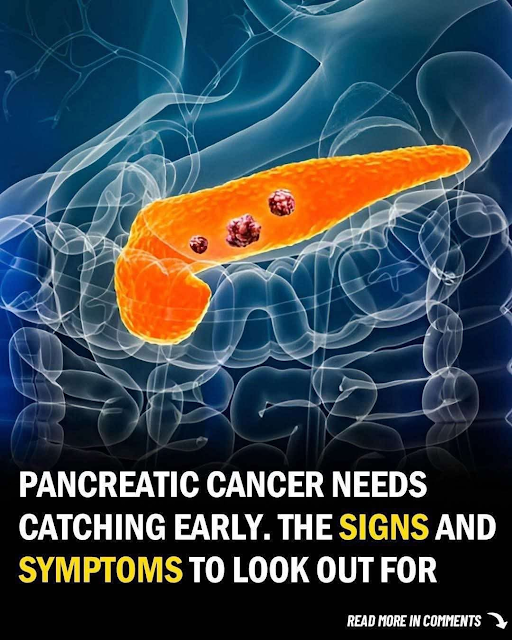
Sudden or unexplained weight loss is one of the most common early warning signs of pancreatic cancer. This isn’t about losing a few pounds due to diet or stress — it’s weight loss that happens without trying.
Pancreatic cancer can interfere with digestion and appetite. The pancreas produces enzymes that help break down food. When it isn’t functioning properly, your body may struggle to absorb nutrients, leading to weight loss even if you’re eating normally.
### **2. Persistent Abdominal or Back Pain**
Pain related to pancreatic cancer often begins as a dull ache in the upper abdomen and may radiate to the back. This pain can come and go at first, sometimes worsening after meals or when lying down.
Because back pain is so common and often attributed to posture, muscle strain, or aging, it’s frequently overlooked. But pain that persists, deepens, or doesn’t respond to usual treatments deserves medical attention — particularly when combined with digestive symptoms or weight loss.
### **3. Jaundice (Yellowing of the Skin and Eyes)**
Jaundice is one of the more noticeable signs of pancreatic cancer and should never be ignored.
It occurs when a tumor blocks the bile duct, causing bilirubin to build up in the body. This leads to:
* Yellowing of the skin and whites of the eyes
* Dark urine
* Pale or clay-colored stools
* Itchy skin
While jaundice can result from other conditions like gallstones or liver disease, it is often an early sign of pancreatic cancer — especially when it appears without pain.
The pancreas plays a crucial role in digestion. When it’s not functioning properly, digestive changes may occur, including:
* Greasy, oily, or floating stools
* Foul-smelling bowel movements
* Diarrhea or constipation that doesn’t resolve
* Bloating and gas after meals
These changes happen because fats aren’t being properly digested. People may also notice that stools are lighter in color.
Digestive issues are common, but persistent or worsening changes — particularly when paired with weight loss or abdominal discomfort — should be evaluated.
### **5. New-Onset Diabetes or Sudden Blood Sugar Changes**
An often-overlooked warning sign is the sudden development of diabetes, especially in adults over 50 with no strong family history.
The pancreas regulates insulin production. When cancer disrupts this function, blood sugar levels can rise. In some cases, pancreatic cancer is diagnosed shortly after someone develops diabetes or experiences unexplained difficulty controlling existing diabetes.
### **6. Loss of Appetite or Feeling Full Quickly**
A reduced appetite or feeling full after eating small amounts can be another subtle sign. Tumors can press on nearby organs or interfere with digestion, leading to early satiety.
Many people attribute this to stress, aging, or stomach problems. But appetite changes that persist — especially alongside weight loss or nausea — should not be ignored.
### **7. Nausea and Vomiting**
Pancreatic cancer can partially block the digestive tract, slowing the movement of food and causing nausea or vomiting. These symptoms may worsen after eating and improve temporarily when the stomach is empty.
Occasional nausea is common, but frequent or unexplained nausea that lingers should be checked out.
### **8. Fatigue That Doesn’t Improve with Rest**
Cancer-related fatigue is different from ordinary tiredness. It’s deep, persistent, and not relieved by sleep. Pancreatic cancer can cause fatigue through inflammation, metabolic changes, anemia, or poor nutrient absorption.
If you feel constantly drained without a clear reason — especially when combined with other symptoms — it’s time to talk to a healthcare provider.
### **9. Blood Clots Without a Clear Cause**
Some people with pancreatic cancer develop unexplained blood clots, often in the legs (deep vein thrombosis). Symptoms may include swelling, redness, pain, or warmth in one leg.
While blood clots have many causes, repeated or unexplained clots can sometimes be an early sign of cancer and should be investigated thoroughly.
### **10. Depression or Sudden Mood Changes**
This symptom may surprise people, but depression and anxiety can sometimes appear before a pancreatic cancer diagnosis. Researchers believe this may be linked to biological changes caused by the tumor, not just emotional reactions to illness.
Sudden mood changes, loss of interest in daily activities, or persistent sadness — especially when accompanied by physical symptoms — should be taken seriously.
### **Who Is at Higher Risk?**
While pancreatic cancer can affect anyone, certain factors increase risk:
* Age over 50
* Smoking
* Chronic pancreatitis
* Family history of pancreatic cancer
* Obesity
* Long-standing diabetes
Being at higher risk doesn’t mean you will develop pancreatic cancer — but it does mean being especially attentive to symptoms.
### **When to See a Doctor**
You should contact a healthcare provider if you experience:
* Persistent or worsening symptoms
* Multiple symptoms occurring together
* Symptoms that don’t respond to usual treatment
* Sudden changes in weight, digestion, or blood sugar
Early evaluation does not mean panic — it means proactive care.
### **Why Early Attention Matters**
Pancreatic cancer is challenging to treat, but outcomes improve when it’s detected earlier. Paying attention to warning signs doesn’t guarantee early detection, but ignoring them almost guarantees delay.
Many people who are eventually diagnosed report looking back and realizing that symptoms were present long before they sought help. Awareness gives you the chance to act sooner.
### **Listening to Your Body Is Not Overreacting**
It’s easy to dismiss symptoms, especially when life is busy or when discomfort seems minor. But your body communicates when something isn’t right. Trusting those signals — and advocating for yourself — is an act of self-care, not fear.
You don’t need to diagnose yourself. You just need to speak up.
### **Final Thoughts**
Pancreatic cancer may be quiet, but it is not invisible. Its signs are often subtle, but they are real. Unexplained weight loss, persistent pain, jaundice, digestive changes, and sudden shifts in health should never be brushed aside.
If something feels wrong, don’t wait for it to get worse. Early conversations with a healthcare professional can make a meaningful difference.
Your health is worth paying attention to — always.
—
If you’d like, I can:
* Simplify this for a **general audience**
* Rewrite it for a **health or wellness website**
* Add a **short checklist or symptom summary**
* Adapt it for **SEO or newsletter format**
Just tell me how you’d like to use it.
