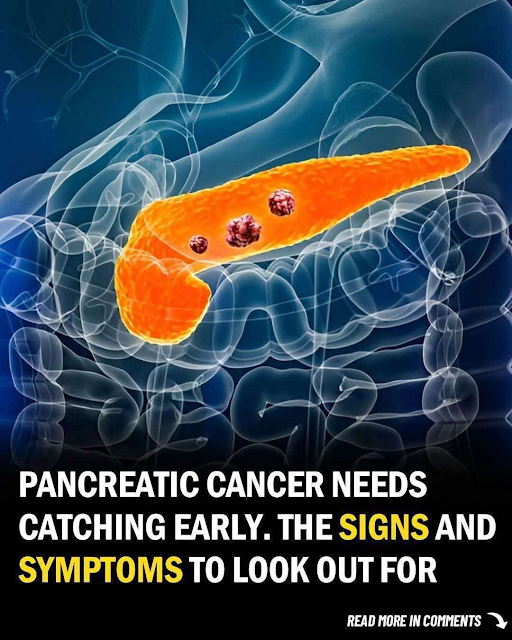
Signs of Pancreatic Cancer You Should Never Ignore
Pancreatic cancer is often called a “silent” disease—and for good reason. In its early stages, it may cause few or no noticeable symptoms. When warning signs do appear, they are often subtle, vague, or easily mistaken for common digestive or lifestyle-related problems. Unfortunately, this is one of the reasons pancreatic cancer is frequently diagnosed at an advanced stage.
In this article, we’ll explore the key warning signs of pancreatic cancer, explain why they occur, and clarify when you should seek medical attention.
Understanding the Pancreas and Its Role
The pancreas is a small but powerful organ located deep in the abdomen, behind the stomach. It plays two essential roles:
Digestive function – Produces enzymes that help break down fats, proteins, and carbohydrates.
Hormonal function – Releases insulin and glucagon to regulate blood sugar levels.
When cancer develops in the pancreas, it can interfere with both digestion and metabolism, leading to a wide range of symptoms that affect the entire body.
Why Pancreatic Cancer Is Often Hard to Detect
Pancreatic cancer is notoriously difficult to catch early because:
Early tumors often don’t cause pain
Symptoms mimic common conditions like acid reflux, gallstones, or diabetes
There is no routine screening test for the general population
As a result, awareness of symptoms is especially important.
1. Persistent Abdominal Pain
One of the most common symptoms of pancreatic cancer is pain or discomfort in the upper abdomen, which may radiate to the back.
What it feels like:
Pain that spreads to the lower back
Discomfort that worsens after eating or when lying down
Temporary relief when leaning forward or curling up
Why it happens:
As a tumor grows, it may press against nearby nerves or organs, causing persistent pain.
When to be concerned:
Occasional stomach pain is common. But ongoing pain lasting weeks, especially when combined with other symptoms, should never be ignored.
2. Unexplained Weight Loss
Sudden or unintended weight loss is a red flag for many serious illnesses, including pancreatic cancer.
Possible causes include:
Reduced appetite
Difficulty digesting food
Nausea or early fullness
Increased energy demands of cancer cells
What to watch for:
Losing more than 5–10% of body weight without trying
Clothes fitting looser without diet or exercise changes
Unexplained weight loss is not normal and always warrants medical evaluation.
3. Loss of Appetite and Early Satiety
People with pancreatic cancer often report feeling full very quickly, even after eating small amounts.
This may be caused by:
Pressure from a tumor on the stomach
Slowed digestion
Hormonal changes affecting hunger signals
If you notice a persistent lack of interest in food or inability to finish normal meals, take it seriously.
4. Jaundice (Yellowing of the Skin and Eyes)
Jaundice is one of the most recognizable signs of pancreatic cancer, especially when the tumor is located in the head of the pancreas.
Signs of jaundice include:
Yellowing of the skin and whites of the eyes
Dark-colored urine
Pale or clay-colored stools
Itchy skin
Why it occurs:
The pancreas lies near the bile duct. A tumor can block bile flow, causing bilirubin to build up in the bloodstream.
Important:
Jaundice without pain is particularly concerning and should be evaluated immediately.
5. Changes in Stool and Digestion
The pancreas plays a crucial role in digestion. When it’s not functioning properly, digestive symptoms often follow.
Warning signs include:
Pale, greasy, or foul-smelling stools
Stools that float and are difficult to flush
Chronic diarrhea
Excessive gas and bloating
These symptoms may indicate pancreatic enzyme insufficiency, where food—especially fats—is not properly digested.
6. New-Onset Diabetes or Worsening Blood Sugar Control
A lesser-known but important sign of pancreatic cancer is sudden diabetes, particularly in older adults with no prior history.
Red flags include:
Newly diagnosed diabetes after age 50
Rapid worsening of previously stable diabetes
Blood sugar levels that are difficult to control
Because the pancreas produces insulin, tumors can disrupt blood sugar regulation long before other symptoms appear.
7. Persistent Fatigue and Weakness
Cancer-related fatigue is different from everyday tiredness.
Characteristics:
Deep, constant exhaustion
Not relieved by rest or sleep
Interferes with daily activities
This fatigue may result from:
The body’s inflammatory response to cancer
Poor nutrient absorption
Anemia or metabolic changes
If fatigue is severe, persistent, and unexplained, it should not be dismissed.
8. Nausea and Vomiting
Pancreatic cancer can affect how food moves through the digestive tract.
You may experience:
Ongoing nausea
Vomiting after meals
Feeling bloated or uncomfortable after eating
These symptoms can occur when a tumor presses on the stomach or small intestine, partially blocking digestion.
9. Back Pain That Doesn’t Go Away
Back pain is common, but persistent, unexplained back pain, especially when combined with abdominal discomfort, may signal pancreatic cancer.
Key features:
Dull pain in the mid or upper back
Pain unrelated to physical activity
Worse at night or when lying flat
Because the pancreas sits near the spine, tumors can irritate surrounding nerves.
10. Blood Clots
In some cases, pancreatic cancer increases the risk of abnormal blood clotting.
Possible signs:
Swelling, redness, or pain in the leg (deep vein thrombosis)
Sudden shortness of breath or chest pain (pulmonary embolism)
Unexplained blood clots—especially recurrent ones—can sometimes be an early warning sign of cancer.
11. Depression or Mood Changes
Emotional and psychological symptoms are often overlooked but can be significant.
Some people experience:
Sudden depression or anxiety
Mood changes without a clear cause
Loss of interest in activities they once enjoyed
Researchers believe these changes may be linked to inflammatory or hormonal effects of pancreatic cancer.
Who Is at Higher Risk?
While pancreatic cancer can affect anyone, certain factors increase risk:
Age over 50
Smoking
Chronic pancreatitis
Long-standing diabetes
Obesity
Family history of pancreatic cancer
Certain genetic syndromes
If you fall into a higher-risk category, paying attention to early symptoms is especially important.
When Should You See a Doctor?
You should seek medical attention if you experience:
Persistent abdominal or back pain
Jaundice
Unexplained weight loss
Ongoing digestive changes
New-onset diabetes with other symptoms
Continue reading…
