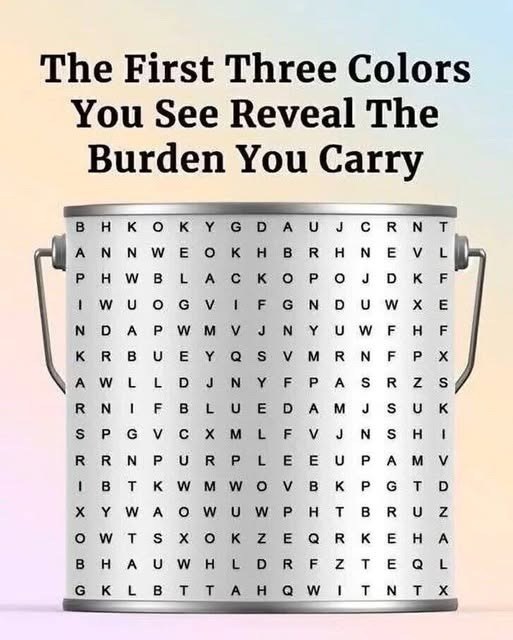
🧠 The Science and Story Behind Color
Our responses to color aren’t just cultural — they’re biological. Red raises heart rate. Blue lowers blood pressure. Yellow stimulates mental activity. These reactions are hardwired, but layered with personal and cultural meaning.
Culture adds nuance. In the West, white may symbolize purity; in parts of Asia, it represents loss. Red can mean love, danger, or celebration depending on context. Color doesn’t carry universal truths — it carries shared stories.
☕ Everyday Color, Everyday Emotion
The green mug you reach for each morning. The black hoodie that feels like armor. The burnt-orange sweater that comforts you during change — these aren’t random choices. They’re reflections of your emotional landscape.
After heartbreak, people often lean into darker tones — grounding shades that mirror introspection. During fresh starts, lighter and warmer hues emerge. Our color preferences trace our inner weather.
Even the colors we reject matter. Avoiding red might signal discomfort with assertiveness. Rejecting white could reflect resistance to letting go. Color speaks when words fall short.
👁️ Listening to Color
Next time a color draws you in — or pushes you away — pause. Ask yourself: What am I feeling? What am I needing?
Color isn’t just aesthetic. It’s emotional expression in disguise. The walls you paint, the clothes you wear, the light you choose — they’re all quiet declarations of your inner world.
So listen. Because sometimes, before you even know what you’re feeling, color already does.
