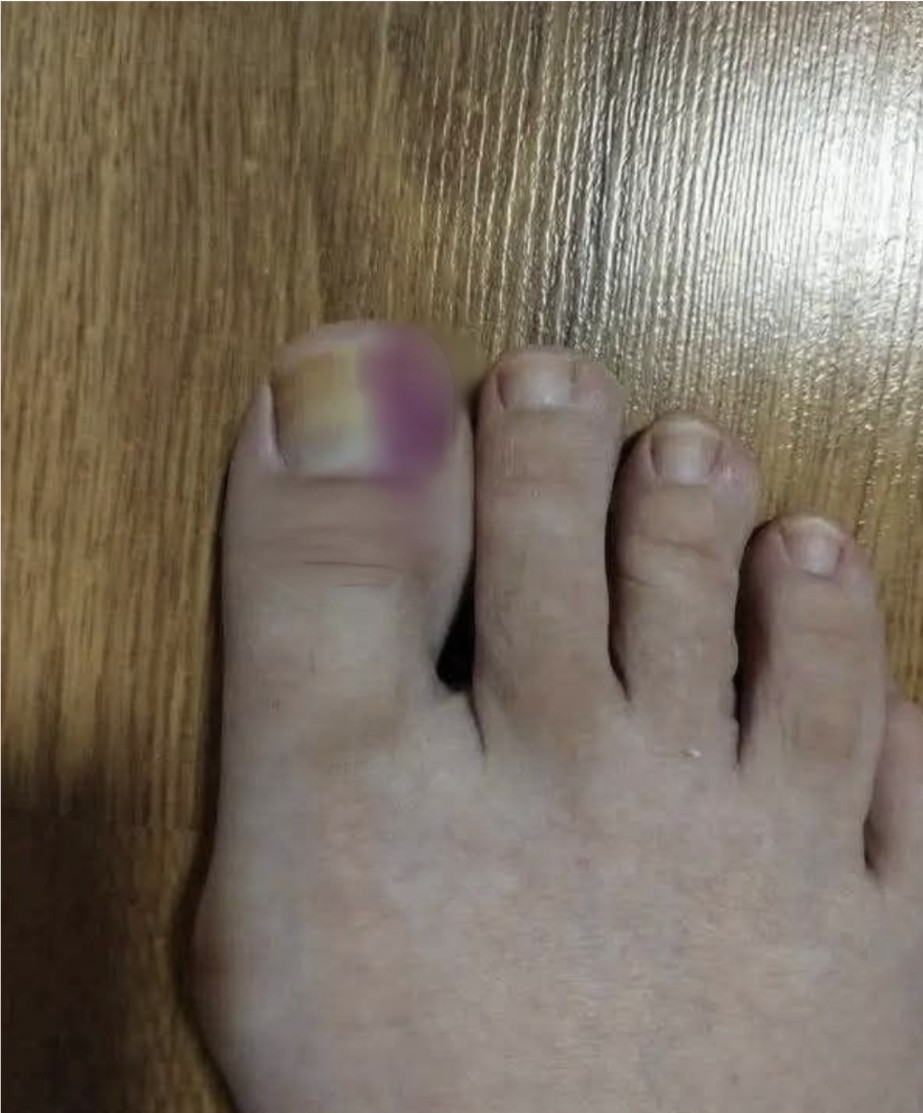
How to Treat an Ingrown Toenail at Home: Safe Tips and Natural Remedies
🍎 May help balance skin pH and reduce bacteria.
✅ Turmeric paste (anti-inflammatory effect)
- Mix 1 teaspoon of turmeric powder with water to form a paste
- Apply to the toe and cover with a bandage.
- Leave on for 20–30 minutes, then rinse.
🧪 The curcumin contained in turmeric relieves swelling and pain.
4. 🩹 Keep the area clean and secure
- Dry your foot thoroughly after soaking.
- Apply an over-the-counter antibiotic ointment (e.g., Neosporin)
- Cover with a bandage or finger protector
- Wear open-toed or wide-toed shoes to reduce pressure
❌ What NOT to do
🚫 Don’t cut your nail too deep or “rip it out” – this can make the ingrown toenail worse
🚫 Don’t use sharp tools – risk of infection
🚫 Don’t ignore the symptoms of infection – if it gets worse, consult a doctor
🚫 Don’t walk barefoot in public places – risk of bacteria or fungi
🚨 When to see a doctor
Home care works well for mild cases, but in some situations professional treatment is necessary .
Seek medical attention if you have:
- Pus or discharge
- Increasing redness or swelling
- Fever or chills (signs of systemic infection)
- Diabetes, poor circulation, or nerve damage
- No improvement after 2–3 days of home treatment
🩺 People with diabetes should never self-medicate – even minor foot problems can lead to serious complications.
🏥 What can a doctor do?
- Prescribe antibiotics (if infection is present)
- Partial nail removal under local anesthesia
- Treatment of the nail bed to prevent regrowth (matricectomy)
- Recommending proper nail trimming techniques and appropriate footwear
✅ Minor treatments are quick and very effective.
