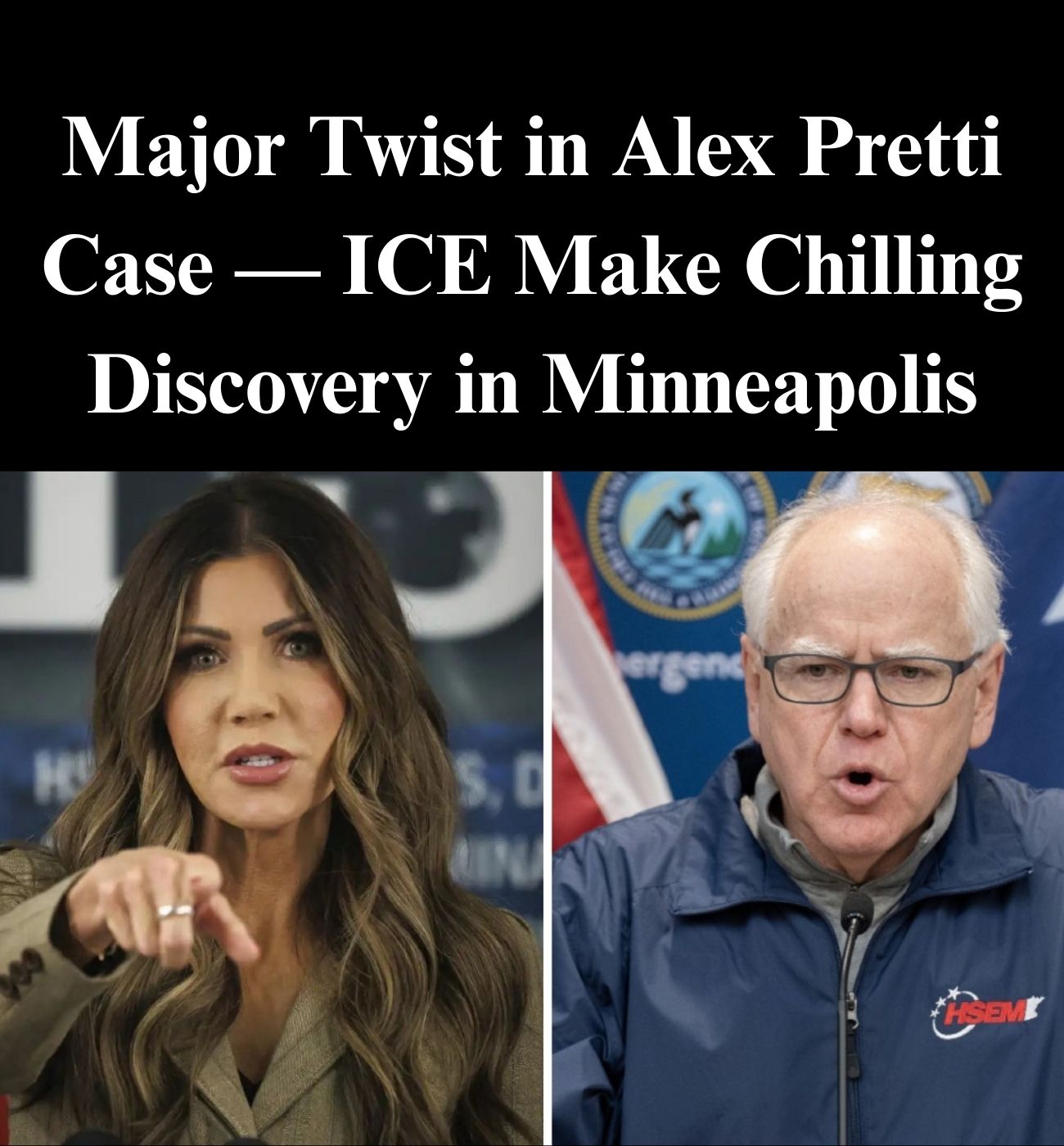
DHS Rips the Doxing of Agents Involved in the Alex Pretti Shooting: A Full Analysis
On January 24, 2026, federal immigration agents shot and killed 37‑year‑old Minneapolis ICU nurse and protester Alex Pretti amid a heightened federal immigration enforcement presence in the city. The incident immediately sparked controversy — not only over the circumstances of his death itself but also over the widespread doxing (publication of identifying information) of the agents involved. In response, the U.S. Department of Homeland Security (DHS) strongly condemned the doxing and framed it as a threat to officer safety — a stance that has reverberated across legal, political, civil rights, and media communities.
What happened to Alex Pretti
How agents’ identities were exposed
DHS’s official response on doxing
Broader debate around accountability and transparency
Legal and political fallout domestically and abroad
The implications for law enforcement, civil liberties, and government policy
1. What Happened on January 24, 2026?
The Fatal Shooting Itself
Pretti was killed during a federal immigration enforcement operation on a Minneapolis street. According to DHS reports sent to Congress, two federal officers discharged their weapons during an attempted arrest, resulting in Pretti’s death.
Video and Eyewitness Contradictions
Multiple civilian‑shot videos contradicted key DHS assertions. Some footage appears to show Pretti holding only a phone and being pushed or pepper‑sprayed before shots were fired, rather than presenting a clear threat.
Court filings from witnesses also said they did not see Pretti wield a gun or make threatening movements — only trying to help another person — despite DHS claims.
Further video analysis suggested that one agent may have taken Pretti’s holstered firearm from his belt before shots were fired — a timeline with enormous implications for claims of self‑defense.
2. Identifying the Agents and the Doxing Controversy
Who Were the Agents?
News outlets such as ProPublica reported that the two agents who fired on Pretti were Jesus Ochoa (a Border Patrol agent) and Raymundo Gutierrez (a Customs and Border Protection officer). Both are veterans of federal immigration law enforcement, with roots in South Texas.
ProPublica also documented that details about these agents — including names and backgrounds — were obtained from government records and subsequently published, effectively doxing the officers.
In response to the publication of agents’ identities, DHS issued a statement asserting that it “will never confirm or deny attempts to dox our law enforcement officers” and that such doxing places officers and their families at risk. The statement emphasized:
“Doxxing our officers put their lives and their families in serious danger.”
DHS framed this threat as part of a broader narrative of escalating risks faced by federal agents, citing reported increases in assaults, vehicular attacks, and death threats against law enforcement.
3. The Nature of Doxing and DHS’s Argument
What Is Doxing?
Doxing refers to the public release of private or identifying information (names, addresses, personal details) about individuals — often with the intent of exposing or targeting them. In the context of law enforcement, it can shift an encounter from public debate into potential threats against officers and their families.
DHS’s core argument is based on safety: that revealing the identities of agents involved in high‑profile, volatile incidents exposes them to harassment or violence from hostile actors.
DHS’s Broader Law Enforcement Framing
In defending this stance, DHS invoked narratives about agents confronting serious criminal elements, and highlighted what it described as dramatic rises in attacks against officers. This framing seeks to justify protective measures and confidentiality — even amid intense public scrutiny.
4. Accountability, Transparency, and Public Outcry
Critics Push Back on DHS
Civil liberties advocates, journalists, and many protesters sharply dispute DHS’s framing:
Transparency advocates argue the public has a right to know who is accountable when state agents use lethal force.
Civil rights groups contend that secrecy shields law enforcement from necessary oversight.
Journalists and watchdogs justify publishing names as vital to democratic accountability, especially when official narratives are contested by video evidence.
Many activists also point to patterns of allegedly excessive force by DHS agencies — such as Immigration and Customs Enforcement (ICE) and Customs and Border Protection (CBP) — and say doxing is a response to historic opacity and lack of accountability.
Public Protests and Political Pressure
Pretti’s death triggered protests in Minneapolis and across the country, with thousands demonstrating against federal enforcement tactics and calling for justice.
Political leaders from both sides of the aisle also weighed in, with congressional figures calling for investigations and accountability measures.
5. Legal and Institutional Repercussions
Investigations
Following Pretti’s death:
The FBI initiated a civil rights investigation into the shooting.
Minnesota state authorities pressed for involvement but reported difficulties accessing evidence due to federal control.
U.S. Senator Tammy Duckworth called for removal of ICE agents from the FBI’s investigation to prevent conflicts of interest.
These developments speak to broader concerns about impartiality and trust in federal investigations when federal agencies investigate their own.
DHS Policy Changes
In the aftermath of both the Pretti and earlier Renee Good shootings by federal agents, DHS announced that federal immigration officers in Minneapolis would begin wearing body cameras — a significant policy shift aimed at transparency but still limited in scope.
This move came amid frustration that official footage was either incomplete or not publicly released.
6. The Larger Context: Federal Enforcement, Civil Liberties, and Public Trust
Federal Enforcement Surge in Minneapolis
Pretti’s death is not an isolated event, but part of a broader federal surge in immigration enforcement in Minneapolis, which has spurred intense local and national debate about the role and conduct of DHS law enforcement.
Critics argue this surge blends immigration enforcement with domestic policing in ways that may erode civil liberties.
Civil Liberties vs. Law Enforcement Protections
The tension highlighted by the doxing debate is emblematic of a larger conflict:
Government position: withholding identities protects officer safety and operational integrity.
Public watchdog position: transparency is essential for accountability and preventing abuses of power.
Both sides invoke public safety — but for different constituencies: law enforcement personnel vs. broader civic society.
7. International and Diplomatic Dimensions
Pretti’s death also had diplomatic ramifications. Ecuador’s foreign minister formally objected to immigration agents attempting to enter the Ecuadorian consulate in Minneapolis without permission during the incident, underscoring international legal sensitivities around enforcement actions near sovereign diplomatic spaces.
Continue reading…
