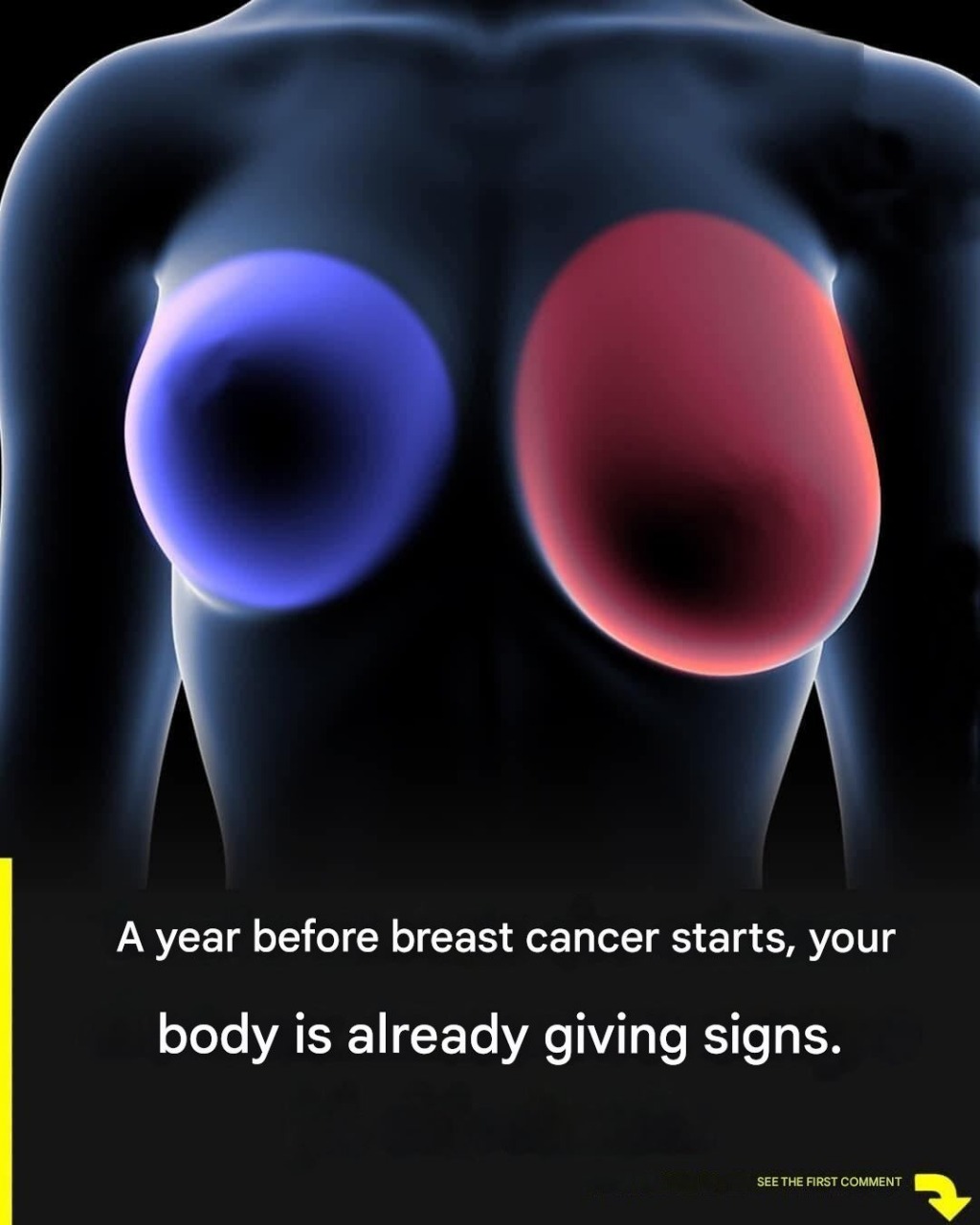
4 Early Signs Every Woman Should Know
Breast cancer is one of the most common cancers affecting women worldwide. While medical advances have significantly improved survival rates, early detection remains one of the most powerful tools in saving lives. When breast cancer is found early—before it has spread—treatment is often more effective, less invasive, and associated with better long-term outcomes.
This article explores four early signs of breast cancer every woman should know, starting with the most well-known—and most misunderstood—one. Whether you’re doing routine self-checks, supporting someone you love, or simply educating yourself, understanding these signs could make a life-changing difference.
Important note: This article is for educational purposes only. It does not replace professional medical advice, diagnosis, or treatment. Always consult a qualified healthcare provider if you notice unusual changes.
1. A New Lump or Thickening in the Breast or Underarm
When people think of breast cancer, the first thing that comes to mind is usually a lump in the breast. And while not all breast lumps are cancerous, a new or unusual lump is still one of the most common early signs—and one that should never be ignored.
What Does a Cancerous Lump Feel Like?
A breast cancer lump often feels different from normal breast tissue. It may be:
Hard or firm
Irregular in shape
Fixed in place, rather than movable
Located in the breast or under the arm (armpit)
However, it’s important to understand that not all cancerous lumps feel the same, and not all lumps are cancer.
Benign Lumps vs. Concerning Lumps
Many women experience benign (non-cancerous) breast changes throughout their lives, especially related to:
Menstrual cycles
Pregnancy or breastfeeding
Fibrocystic breast condition
Benign lumps are often:
Soft or rubbery
Tender or painful
Mobile (they move under the skin)
Cyclical, appearing and disappearing with periods
A lump becomes more concerning when it:
Appears suddenly and doesn’t go away
Grows over time
Feels different from the rest of the breast tissue
Is present in only one breast
Why the Underarm Matters
Breast tissue extends into the armpit area, where lymph nodes are located. Swelling or a lump under the arm can sometimes be an early sign that cancer cells have reached nearby lymph nodes—even before a breast lump is noticeable.
What You Should Do
If you notice a new lump or thickening:
Don’t panic—but don’t ignore it
Monitor it for a short period (a few weeks)
If it persists, grows, or feels unusual, see a healthcare professional promptly
Early evaluation can provide reassurance—or lead to early diagnosis, which can be lifesaving.
2. Changes in Breast Size, Shape, or Appearance
Breasts naturally change over time due to age, weight fluctuations, pregnancy, and hormonal shifts. However, unexplained changes in how a breast looks or feels can sometimes signal an underlying problem, including breast cancer.
What Kind of Changes Should Raise Concern?
Watch for:
One breast becoming noticeably larger or smaller than the other
Swelling in part of the breast
A breast that looks misshapen or distorted
A change that appears suddenly and without explanation
These changes may occur even when there is no visible lump.
Why This Happens
Breast cancer can cause inflammation or changes in tissue structure, which may:
Alter the way the breast sits on the chest
Create asymmetry that wasn’t there before
Affect internal support tissues, leading to shape changes
Some aggressive forms of breast cancer, such as inflammatory breast cancer, may not cause a lump at all but instead lead to visible swelling and shape changes.
Trust What’s Normal for You
Every woman’s breasts are different. The key is knowing what’s normal for your own body. If something looks or feels different—and stays different—it’s worth checking out.
3. Skin Changes on the Breast or Nipple
The skin of the breast can offer important clues about breast health. Skin changes are often overlooked, yet they can be an early warning sign of breast cancer.
Skin Changes to Watch For
Pay attention to:
Redness or rash on the breast
Dimpling or puckering, sometimes described as looking like an orange peel (peau d’orange)
Thickened or scaly skin
Skin that feels warm or inflamed
Persistent itching that doesn’t improve
These changes may affect a small area or a larger portion of the breast.
Nipple Skin Changes
The nipple itself can also show early signs, including:
Crusting or scaling
Redness or irritation
Skin breakdown or ulceration
In rare cases, these symptoms may be linked to Paget’s disease of the breast, a form of breast cancer that starts in the milk ducts and spreads to the nipple.
Why Skin Symptoms Matter
Skin changes may indicate:
Cancer affecting lymphatic drainage
Tumor growth close to the skin
Inflammatory processes caused by cancer cells
Because skin issues are often mistaken for infections or allergic reactions, persistent symptoms should always be evaluated.
4. Nipple Changes or Unusual Discharge
The nipple can be a surprisingly important indicator of breast health. Unexplained nipple changes may be one of the earliest signs of breast cancer.
Concerning Nipple Changes Include:
Inversion (nipple turning inward when it previously pointed outward)
Nipple flattening
Change in nipple position or direction
Persistent pain in one nipple
While some women naturally have inverted nipples, a new or sudden inversion is more concerning.
Unusual Nipple Discharge
Nipple discharge is not always abnormal, especially during pregnancy or breastfeeding. However, seek medical advice if the discharge is:
Bloody
Clear and watery
Occurs without squeezing
Present in only one breast
These types of discharge can sometimes be associated with underlying cancerous changes in the milk ducts.
Why Early Detection Saves Lives
Detecting breast cancer early can:
Increase survival rates dramatically
Allow for less aggressive treatment
Reduce the need for extensive surgery or chemotherapy
Improve quality of life after treatment
This is why breast awareness—knowing what’s normal for your breasts—is just as important as mammograms and clinical exams.
When to See a Doctor
You should seek medical advice if you notice:
Continue reading…
