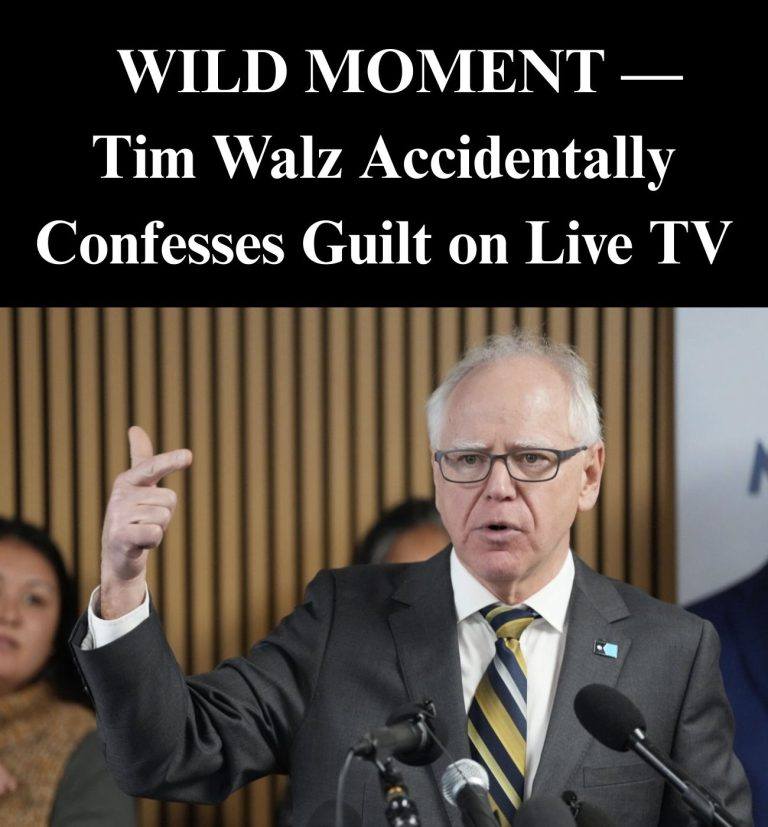
A Major Fraud Scandal Unfolds in Minnesota
Over the last several years, Minnesota has been at the center of one of the largest social services fraud investigations in recent U.S. history. Multiple federal and state programs, including child nutrition, childcare assistance, and Medicaid billing systems, have been found vulnerable to exploitation by bad actors. Criminal prosecutions and federal investigations indicate that hundreds of millions – and possibly billions – of taxpayer dollars were diverted illegally.
Feeding Our Future Case: A nonprofit that received federal funds purportedly to feed low‑income children was later revealed to have submitted fake attendance sheets and fraudulent claims, leading to convictions of dozens of defendants.
Medicaid Program Abuse: Federal prosecutors have estimated that a significant portion of claims paid through Minnesota’s Medicaid programs may be fraudulent, prompting audits and pauses in payments.
Childcare and Daycare Fraud: Federal and state investigations have exposed widespread misuse of childcare assistance funds, including instances where facilities received millions yet provided no real services.
Authorities initially pegged confirmed fraud amounts at hundreds of millions of dollars, but ongoing probes suggest losses could reach into the billions, and investigations are continuing.
2. Governor Tim Walz’s Response: Accountability and Fixes
In media appearances and public statements, Governor Tim Walz has publicly acknowledged responsibility for addressing fraud under his administration’s watch, even while disputing some of the estimates and insisting his office is taking action.
Walz on Accountability
Walz has said that he accepts accountability for failures in oversight and is committed to fixing the problems, stating in a press interaction that he is “accountable for this, and more importantly, I am the one that will fix it.”
Policy and Oversight Actions
Walz’s government has:
Ordered third‑party audits of Medicaid billing and program payments to flag suspicious activity.
Created a Director of Program Integrity position and other structures to improve fraud detection and prevention.
Paused payments to high‑risk programs where anomalies were detected.
However, critics – including whistleblowers and lawmakers from both parties – have argued these actions have been too delayed and insufficient in stopping large‑scale abuse.
3. Political and Legal Fallout
Congressional and Federal Investigations
Senators from both parties have also pressed Walz for answers on childcare and Medicaid fraud abuses and called for accountability.
Political Consequences for Walz
The scandal has had significant political repercussions:
Walz ended his 2026 reelection campaign, citing the difficulties of campaigning amid ongoing fraud controversies.
Some political opponents have publicly said Walz bears direct responsibility for lax oversight, urging resignation or stronger action.
Bipartisan criticism has increased, with state workers, lawmakers, and civic watchdog groups all voicing concern about failures to act on fraud warnings early.
Some commentators have also speculated on whether Walz could face legal liabilities if evidence emerges that state officials actively hindered investigations, although no criminal charges against Walz have been filed at this time.
4. Scope and Estimates: How Large Is the Fraud?
Estimates of total fraud vary significantly:
Confirmed cases and prosecutions tied directly to schemes such as Feeding Our Future account for hundreds of millions of dollars.
Government and oversight figures suggest broader abuse across Medicaid and social services could escalate losses into the billions.
Some public claims exaggerate figures beyond verified data; independent fact‑checking notes that very large narratives (e.g., tens of billions tied to terrorism funding) lack reliable evidence.
What is clear from official oversight materials is that systemic vulnerabilities in state program oversight permitted fraud at a scale that alarmed both state and federal officials.
5. Early Warnings and Oversight Gaps
Whistleblowers within state agencies say warnings were raised early – sometimes as far back as 2019 – about irregular billing and suspicious documents, but those concerns were not acted upon effectively.
Critics argue that Minnesota’s reluctance to pursue fraud aggressively stemmed from fears of political backlash and accusations of targeting specific communities, particularly the Somali American community.
Whether true or overstated, this dynamic has become a central point of debate in explaining why early signs of fraud were not stopped sooner.
6. Broader Implications: Trust in Public Programs
This scandal has wider implications:
Continue reading…
