Confidence as a Political Strategy
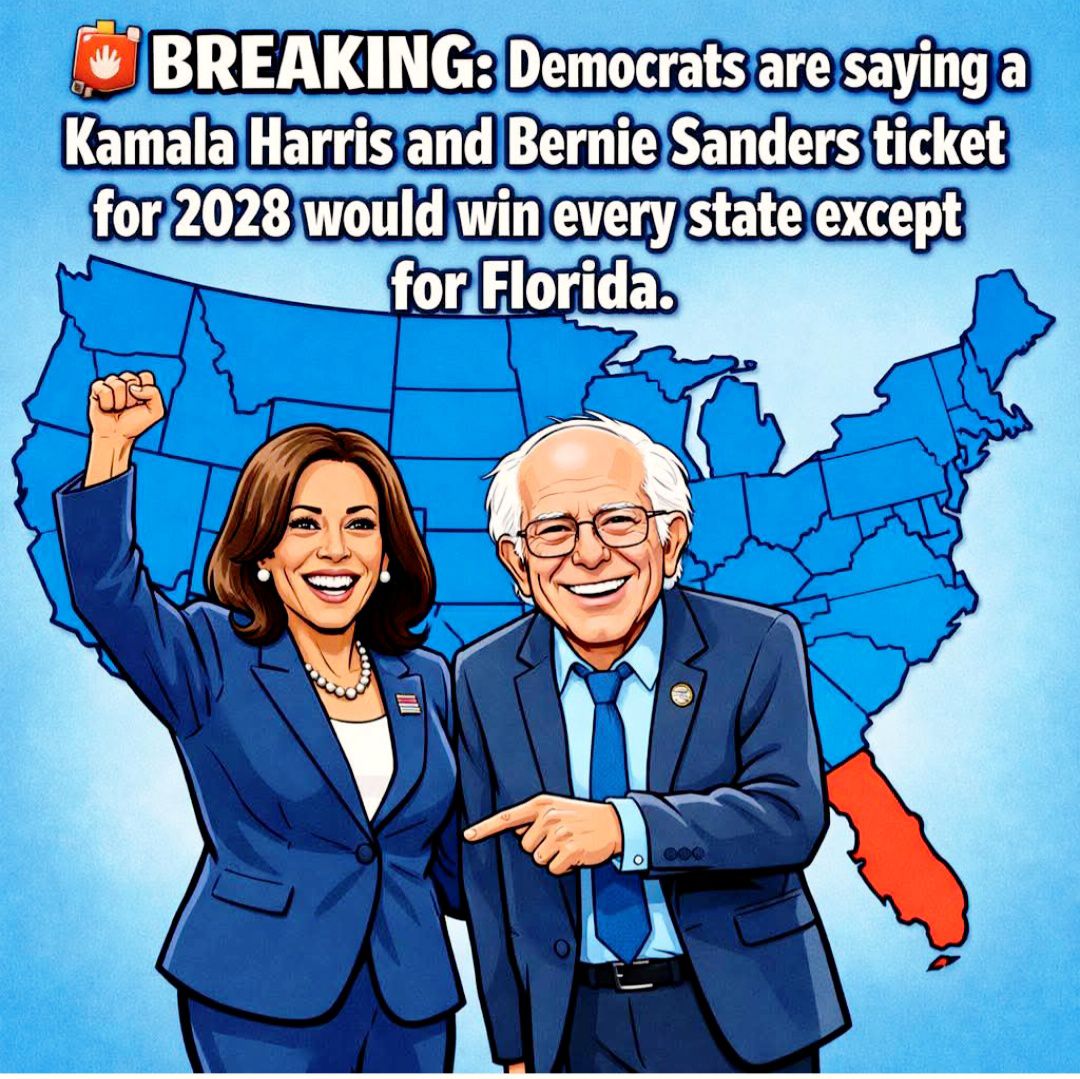
The word “unbeatable” is doing even more heavy lifting than Florida. It’s not a prediction so much as a mood. Political confidence today isn’t about probability; it’s about posture. You don’t say “we’re cautiously optimistic based on current polling trends.” You say “this thing is over” and dare reality to argue with you.
The irony, of course, is that the louder the confidence, the more fragile it usually is. Truly unbeatable campaigns don’t need to say they’re unbeatable. They just quietly stack wins and let everyone else panic. When a ticket’s biggest selling point is “trust us, this is done,” it tends to trigger a collective side-eye from anyone who’s been conscious during the last decade.
Still, confidence travels well online. It’s short, punchy, and screenshot-friendly. Doubt does not go viral. Certainty does.
Enter the Comment Section
If the post is the spark, the comment section is the wildfire. This is where the real campaign unfolds—not between candidates, but between strangers who have never met and will never change each other’s minds.
The first comment is usually something like:
“LOL okay, keep dreaming.”
This sets the tone. Not an argument, not a rebuttal—just a laugh. Laughter is the opening salvo of modern discourse. It says, you are not worth engaging seriously, but I will engage anyway, extensively.
Within minutes, the factions form:
The True Believers
These commenters speak in absolutes. Polls are destiny. Momentum is a law of nature. Anyone who disagrees is either stupid, evil, or paid by shadowy interests. They will post charts without sources and declare victory as if it’s already been engraved on a plaque.
The Florida Whisperers
These people claim deep, mystical knowledge of Florida. They may or may not live there. They speak of it the way sailors speak of the sea. “You don’t understand Florida,” they say, as if Florida is a sentient being that resents analysis.
The Doomscrollers
They aren’t arguing; they’re catastrophizing. Every election is the last election. Every loss is the end of civilization. They will find a way to turn “unbeatable everywhere except Florida” into a sign of impending collapse.
The Guy Who Brings Up 2016
Always. Without fail. Like Beetlejuice, but with more resentment.
Florida as a Narrative Crutch
What makes Florida so useful in these conversations is that it functions as both scapegoat and shield.
If the ticket wins:
“See? We told you it was unbeatable. Florida was always a long shot.”
If the ticket loses:
“Well obviously Florida ruined everything. What did you expect?”
And Floridians know this. That’s part of the rage in the comments. Being perpetually written off turns into a self-fulfilling narrative loop. The state becomes less persuadable because it’s treated as less persuadable. Then that outcome is cited as proof that it was always impossible.
Round and round we go, sweating the whole time.
The Illusion of Consensus
One of the most dangerous things the comment section creates is the illusion of consensus. When you scroll long enough, especially if the algorithm agrees with you, it starts to feel like “everyone” thinks the same way you do.
“This ticket is unbeatable” becomes “everyone knows this ticket is unbeatable,” which becomes “anyone who disagrees must be lying or delusional.”
But comment sections are not electorates. They are self-selecting arenas of performance. The loudest voices aren’t the most representative; they’re just the most online. And yet, campaigns, pundits, and regular people alike keep mistaking engagement for endorsement.
A thousand angry comments feel like a movement. A thousand confident comments feel like a mandate. Both can vanish the moment real votes are counted.
Why People Fight So Hard Down There
What’s fascinating isn’t just that people argue—it’s how personally they take it.
This isn’t really about a ticket or a state. It’s about identity. Political opinions have become shorthand for who you are: your intelligence, your morality, your place in the social hierarchy. So when someone mocks your confidence or questions your certainty, it doesn’t feel like a disagreement. It feels like an insult.
That’s why the comment section escalates so quickly. Someone says, “Unbeatable except Florida.” Someone else hears, “People like you don’t matter.” Another hears, “You’re stupid for believing otherwise.” Suddenly we’re no longer discussing strategy; we’re defending our worth.
Add anonymity, time pressure, and the subtle thrill of public applause (likes, hearts, ratioing), and you’ve got a perfect recipe for digital bloodsport.
The Performance of Being Right
There’s also an unspoken competition happening: who gets to be proven right later.
Continue reading…
