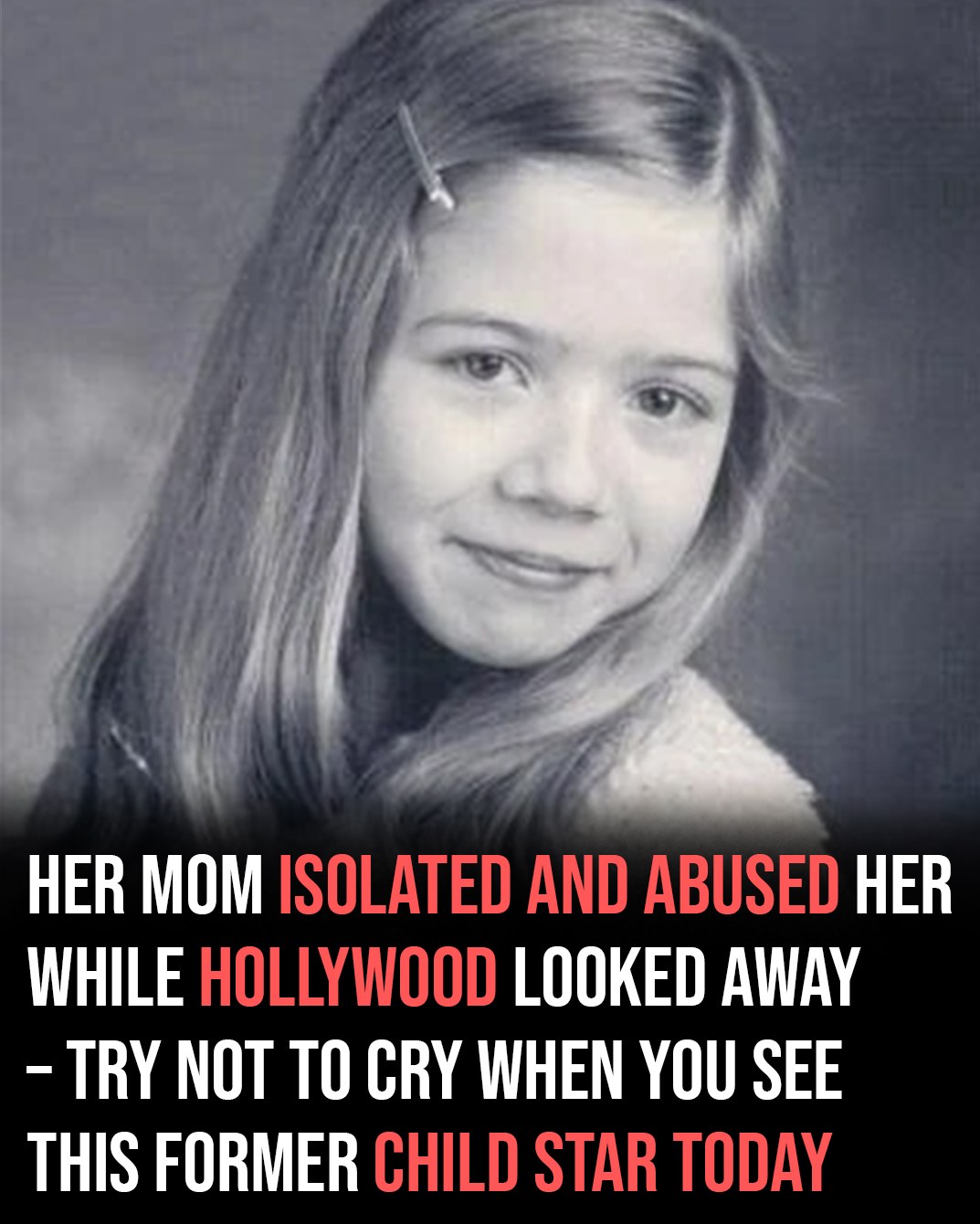
A Former Child Star’s Journey
Fame is often sold as a dream. Bright lights, applause, admiration, and wealth—especially when it arrives early—are framed as gifts. But for many child stars, fame is not a dream at all. It is a system they are pushed into before they can consent, understand, or protect themselves. This is the story of one such child star—not a single person, but a composite of many—whose rise, silence, and survival reveal the darker side of childhood in the public eye.
At seven years old, Alex learned how to smile on command.
It wasn’t a normal smile—the kind that comes naturally when you’re happy or amused. This smile was wide, practiced, and held just long enough for the camera. Adults praised it. Casting directors loved it. Producers said it made Alex “marketable.”
Alex’s parents didn’t plan to raise a star. At first, it was just a commercial. Then a television audition. Then a callback. When Alex landed a recurring role on a popular family sitcom, everything changed overnight.
School became optional. Privacy vanished. Strangers recognized Alex in grocery stores and asked for photos. Adults spoke about Alex while standing inches away, debating looks, talent, and likability as if discussing a product.
No one asked how Alex felt.
Behind the Scenes: Power Without Protection
On set, Alex was surrounded by adults—directors, writers, assistants, publicists—but none were there solely to protect a child’s well-being. Their job was to make a show on time and under budget. Alex was essential to that goal.
Long hours were normal. Exhaustion was brushed off. If Alex cried, it was labeled “unprofessional.” If Alex protested, it was called “difficult.”
Alex learned quickly: silence was safer.
Speaking up meant risking everything—roles, income, approval. Children in the industry understand this instinctively, even if no one explains it outright.
Abuse That Hides in Plain Sight
The abuse wasn’t always dramatic or visible. Often, it was subtle—emotional manipulation, gaslighting, inappropriate comments framed as “mentorship.” Other times, it was undeniably invasive.
When Alex tried to hint that something was wrong, the response was dismissive.
“You’re lucky to be here.”
“They didn’t mean it like that.”
“Don’t cause trouble.”
“You’ll ruin your career.”
Adults closed ranks. The machine protected itself.
Growing Up Too Fast
By fourteen, Alex was more famous—and more isolated—than ever.
Friends from outside the industry drifted away. Relationships felt transactional. Trust became dangerous.
Alex’s body changed, and suddenly the tone of the industry shifted. Roles became sexualized. Comments grew sharper. The same adults who once praised Alex’s innocence now criticized appearance, weight, and maturity.
Puberty was treated like a flaw.
The pressure to stay relevant—to stay loved—was relentless. Alex developed anxiety, insomnia, and an eating disorder, all while being praised publicly for “handling fame so well.”
The disconnect was dizzying.
The Cost of Silence
When the show ended, the phone stopped ringing.
The industry that had consumed Alex’s childhood moved on without hesitation. There was no transition support, no therapy offered, no acknowledgment of what had been taken.
Without constant work, Alex felt hollow. Identity had been built entirely around performance and approval. Without it, there was nothing solid to stand on.
Depression set in. Substance abuse followed—not for fun, but for relief.
This is where many former child stars are judged most harshly: tabloids mock their “downfall,” audiences ask why they “can’t get it together,” and few pause to consider the trauma that preceded the collapse.
Speaking Out—and the Backlash
Years later, as a young adult, Alex finally found the language for what had happened.
Therapy helped. Distance helped. Watching other former child stars speak out helped.
When Alex shared their story publicly, the response was mixed.
Some people listened. Some expressed outrage and compassion. But many were skeptical.
“Why now?”
“Where’s the proof?”
“They’re just seeking attention.”
“They should be grateful.”
The same system that had ignored the abuse now questioned its existence.
Why Child Stars Are Especially Vulnerable
Alex’s story is not unique. Child stars face a perfect storm of vulnerability:
Power imbalance: Children depend entirely on adults who control their careers.
Financial pressure: Entire families may rely on a child’s income.
Lack of regulation: Legal protections are inconsistent and often outdated.
Normalization of boundary violations: Inappropriate behavior is excused as “industry culture.”
Public ownership: Fans feel entitled to access, opinions, and judgment.
Abuse thrives in environments where accountability is absent and silence is rewarded.
Healing Is Not Linear
Today, Alex lives quietly.
Fame is no longer the goal. Peace is.
Some days are easier than others. Triggers still surface. Trust is still a work in progress. But healing—real healing—has begun.
Alex has learned that the trauma was never a personal failure. It was systemic. It was preventable. And it deserves to be named.
Listening to Survivors Matters
When former child stars speak out, they are often met with disbelief because their lives look enviable from the outside. But trauma does not disappear because someone was paid, applauded, or admired.
Survivors don’t owe the public palatability, perfection, or timing.
They owe themselves honesty.
Toward a Better Future
Change is possible—but only if stories like Alex’s are taken seriously.
That means:
Stronger child labor laws in entertainment
Independent child advocates on sets
Mandatory mental health support
Continue reading…
